
Giudice Builds. Colorado Springs Home Builder

Accessory Dwelling Unit Costs

Understand how we calculate the investment of an ADU
see more
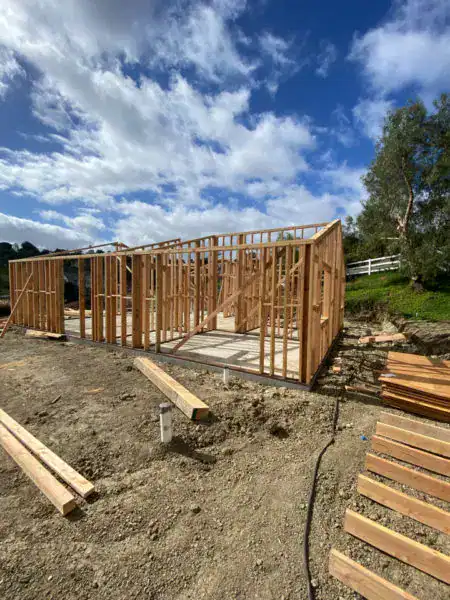
ADU Framing

Understand the costs

It’s important to understand all the costs involved in building an Accessory Dwelling Unit (ADU) when planning your project.

At Giudice Builds, we make sure to communicate clearly from the start, especially about the budget. We manage every phase of an ADU project, from ADU designADU Plans and permits to the final build. This means we’re deeply familiar with the costs that tend to catch homeowners off guard.

An ADU project has different phases, and each one can bring new variables that affect the overall budget. We have years of experience in this field. This allows us to spot possible problems early on. We can also give cost estimates that are based on what actually happens during construction. Our estimates aren’t based on what looks good on paper.

This article will explain how much it costs to build an ADU in Colorado Springs. It will talk about the main things that affect the price and how they change the total cost. We want to give you a realistic and honest idea of what to expect before you move forward with your plans.
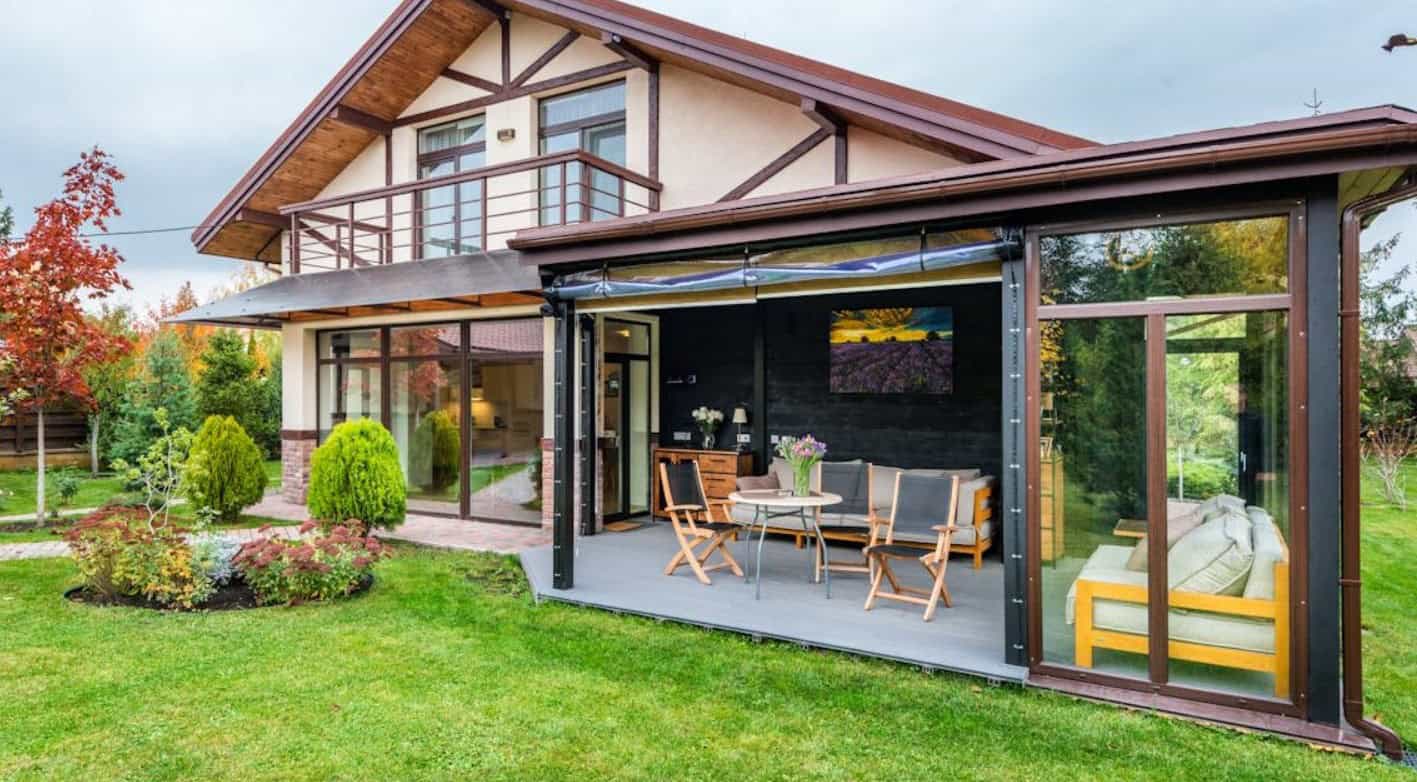
How much does it cost to build an ADU in Colorado Springs?

For planning and budgeting, the average cost per square foot for a fully completed detached ADU generally falls between $375 and $600+, depending on size—typically between 500 and 1,200 square feet. Around 80–85% of the total cost is typically allocated to the structure itself and standard interior finishes.

Beyond the construction, you’ll also need to factor in design costs (usually around $15,000), permitting fees (ranging from approximately $2 to $14 per square foot, depending on local requirements), and sitework expenses (commonly estimated at $30,000). Utility upgrades—covering water, sewer, and electrical connections—often add another $30,000 to $50,000 or more, depending on your specific property conditions. At Giudice Builds, we review more than 75 individual elements to deliver a complete and accurate cost breakdown for your ADU project in Colorado Springs.
Start your ADU
ADU Type / Expense Estimated Cost Range Notes
Detached ADU $210,000 – $400,000 $375–$600 per sq. ft. for 600–1,200 sq. ft.
Garage Conversion $80,000 – $150,000 Depends on size and complexity
Pre-Construction Around $15,000 Architectural/design work
Permitting Fees $2 – $14 per sq. ft. Based on local PPRBD rules
Site Preparation Around $25,000 Grading, excavation, and prep work
Utility Connections $20,000 – $50,000+ Water, sewer, electrical extension
Housing Excellence

Ready to Make Home A Reality?

At Giudice Builds, we don’t just build homes—we design homes that are uniquely yours.

What is the total cost to build an ADU?

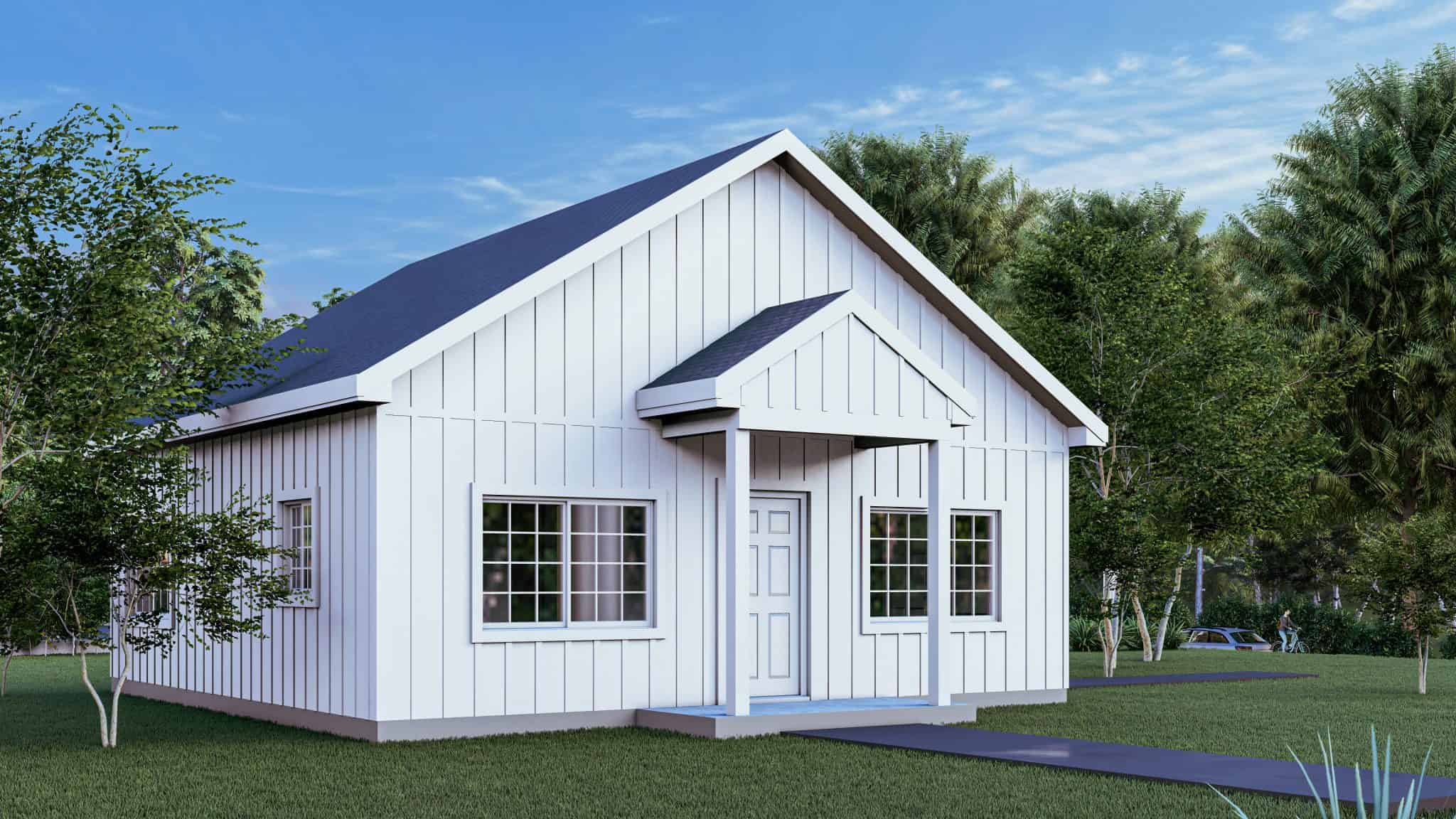
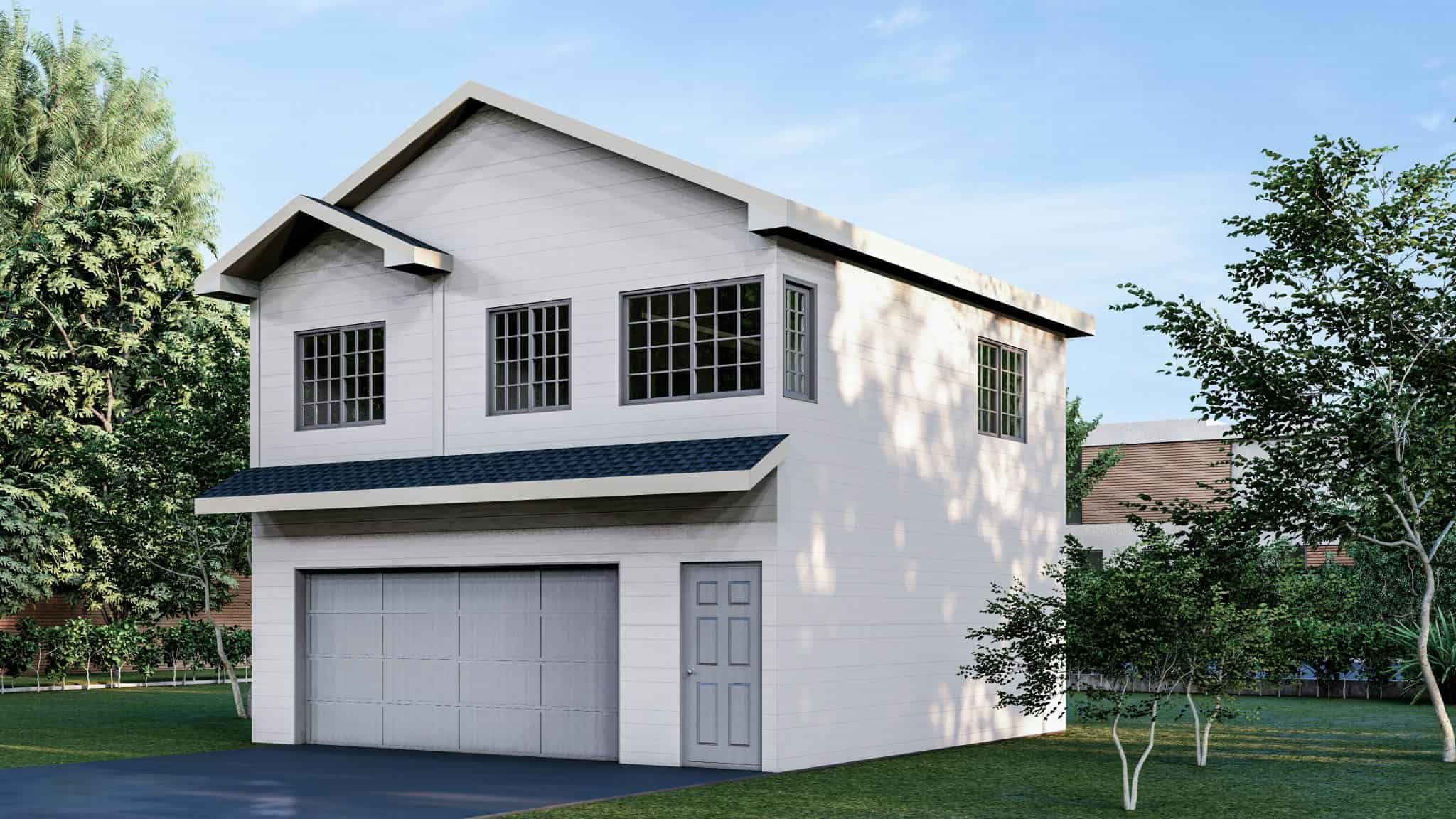
ADUs come in various forms, offering homeowners options based on space, function, and layout. A detached unit provides privacy with its own entry. An attached unit extends the main home. Another option is converting existing space, like a garage, into a livable unit. Each type has its benefits based on use, while local regulations dictate what's permissible.

Pre-construction Retainer: $5,000

Every ADU starts with a Pre-Construction retainer. This allows us to lead the design-build process, assemble the right team, and evaluate your home, property, and goals before any irreversible decisions are made.
This phase focuses on reducing unknowns, defining scope, and building a realistic budget based on real site conditions, not assumptions.

Architectural Design: $2,000-$5,000+

Architectural design is coordinated as part of the pre-construction process. Depending on the size of the ADU, this may involve minor layout modifications or fully custom ADU Plans.

Design scope and cost vary based on complexity and overall project goals.

Structural Engineering:$1000–$2,000+

Structural engineering is required for all ADUs and is coordinated during pre-construction. Engineering accounts for how the ADU is supported structurally. It defines how we build the foundation and frame the structure to ensure the design meets current building codes.
Costs vary based on foundation type, load paths, and overall structural complexity.

Soils Testing & Geotechnical Review: $1,750

Soils testing is required for ADUs to confirm the soils will support your ADU. This report informs structural engineering and helps prevent costly foundation changes later.

An open hole inspection is then required once we dig the hole to verify soil conditions in the field and confirm compliance with the engineered foundation design.

Duct Design & Insulation:$1,650

Duct design and insulation are a required part of building an ADU because they help determine the size of the HVAC unit and how it will be installed. We plan the duct layout early so air moves properly to each room, and we also review the wall and ceiling insulation levels to make sure the space holds its temperature. Proper insulation helps reduce energy loss, keeps the ADU comfortable year-round, and allows the HVAC system to run more efficiently.

Interior Design & Finish Selections: $ Varies

Every ADU requires finish selections like cabinetry, flooring, tile, fixtures, and paint. These choices affect pricing, scheduling, and how the project is built and must be finalized during pre-construction. We can help coordinate selections for you, or work directly with your interior designer to keep the project on budget and avoid delays or change orders during construction.

Permits &
City Fees:
$4000–$6,000

For a level lot with adequate access for construction equipment, basic site work is needed to prepare a buildable pad for the ADU. This includes trenching & connecting utilities, finish grading, and general conditions like required site protection, temporary facilities, and necessary testing for soils compaction and energy efficiency.

Utility taps: $5,000-15,000

Tap fees may be required for an ADU depending on whether utilities are shared with the main home or set up separately. These fees cover the cost of connecting to water and sewer services and are determined by the local utility provider. We review utility options early in the planning process so you understand when tap fees apply and can decide what makes the most sense for your project and budget.

Site Survey:
$1500-$3000*

Some ADUs may require a site survey to confirm property lines, setbacks, elevations, and existing conditions. This information is often needed to support design, permitting, or hillside overlay requirements.
When required, the need for a survey is identified during pre-construction so it can be coordinated early and factored into the overall project budget.

What are the ADU build costs by floor plan?

Click into ADU floor plans below for the cost to build each design, including standard finishes and appliances. We can put together a proposal for your specific property when you are ready to get into more cost details for your ADU.
custom home built in Colorado Springs

Plan 1

750 sq ft House Plans 1 Bedroom ADU Floor Plan: Practical, Comfortable, and Perfectly Sized
View Plan
Home addition made in a kitchen space

Plan 2

Room to Live, Room to Grow: Inside a 750 Sq Ft 2-Bedroom ADU
View Plan
rendering of an accessory dwelling unit

Plan 3

625 Sq Ft ADU House Plans 2 Bedroom + Garage: Smart Space, Maximum Functionality
View PLan

When can we talk about my ADU costs?

At Giudice Builds, we believe it’s essential to discuss ADU costs from Day 1 to ensure your design aligns with your budget. With over a decade of experience in construction, we’ve refined our process to provide accurate and realistic estimates—backed by our price guarantee. Our goal is to give you a clear understanding of the full project costs, from design and permitting to site work and construction.

Whether you’re just starting to explore the idea of adding an ADU or are ready to begin, we can provide a detailed cost estimate to help you make informed decisions and move forward with confidence.
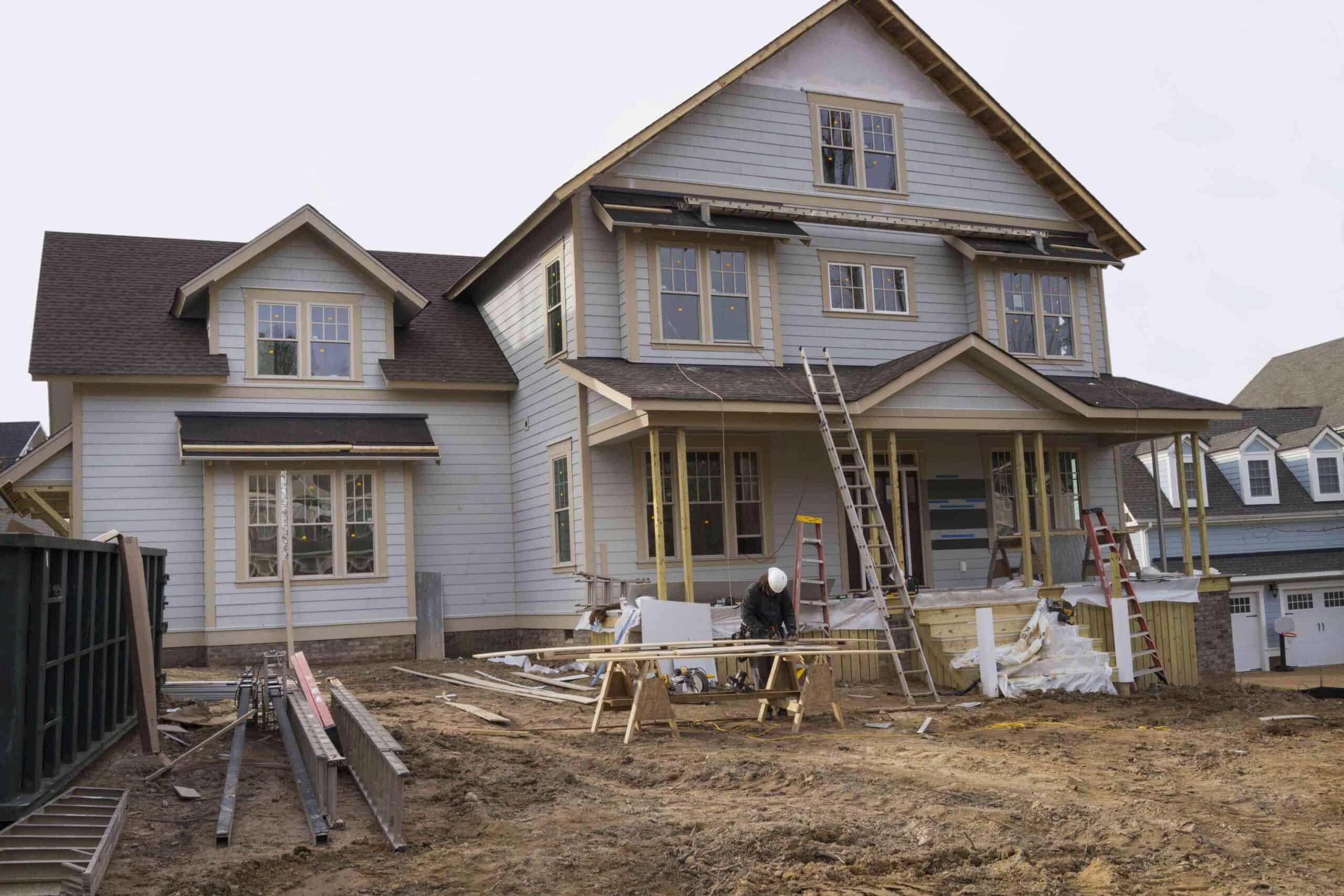
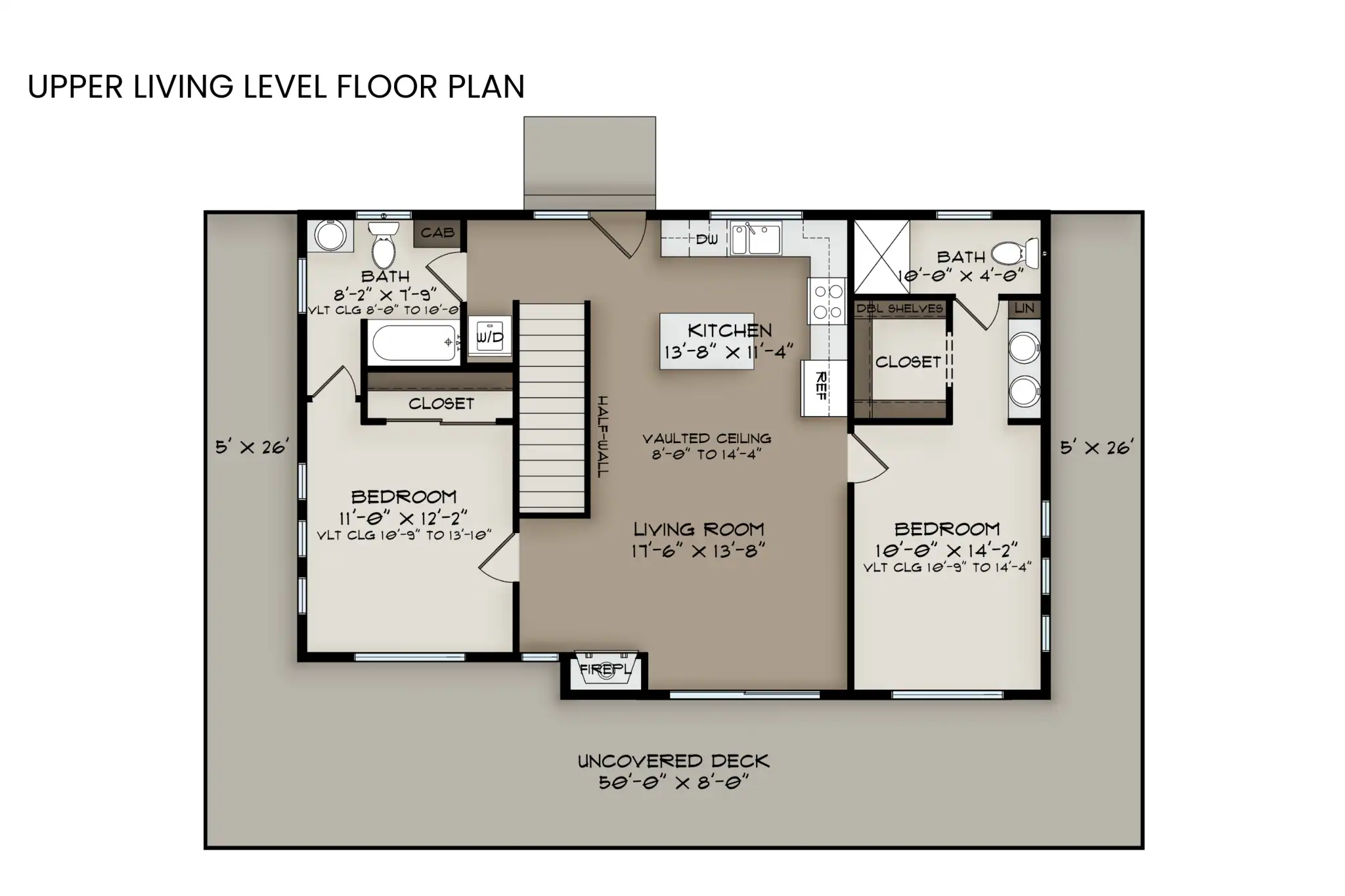
ADU costs on a home

Financing Your ADU

You have a few options when it comes to financing an ADU (Accessory Dwelling Unit) or Mother in Law Suite project in Colorado Springs. At Giudice Builds, we help homeowners understand the true cost of building an ADU, from permitting and to completion.

Whether you’re building to create rental income, support multigenerational living, or boost your property’s value, it’s critical that your financing aligns with your total “all-in” project costs—not just the structure itself. We work closely with you and your lender to ensure your funding strategy supports every phase of your build.

What costs are you financing of your ADU?

We want our customers to have transparent pricing, we want to avoid having to make change orders if we don’t have to. That’s why we start with a clear understanding to dial in the costs. We help homeowners plan for the full picture not just the build itself, but the design, permitting, utility connections, and site prep too. It’s important that your ADU design reflects your actual budget, that’s why we are talking about budget from day one!

The process starts with a rough estimate that includes:

-Architectural design

-Permits

-Site prep

-Construction and finishes

We’ll use this as a baseline and fine-tune during the Feasibility phase, where we dig into things like grading, setbacks, and utility access.

Want to get a sense of how much your project might cost?
If you haven’t already, check out our ADU plans and pricing to explore real numbers based on past projects.
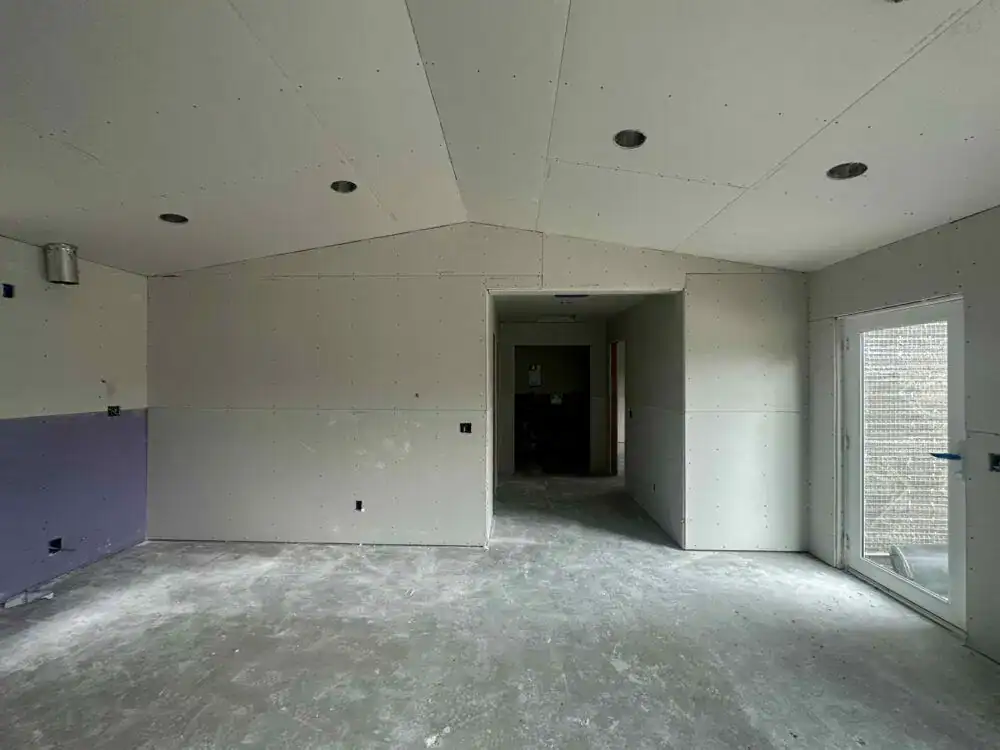
ADU Financing Options

Below are the most typical loan options we see homeowners using for their ADU projects.

Home Equity Loan

A home equity loan is a practical and cost-effective way to fund your ADU. With a home equity loan, you could receive the full amount as a lump sum and make fixed monthly payments over your chosen term. This can be a more streamlined and predictable path than applying for a traditional construction loan, which often includes higher closing costs and a longer approval process.

Fixed Rate Second Position Loan

Interested in keeping your existing loan rate? A newer loan product available is based on the value of your home after you add the ADU (“after renovation value”). No refinancing of your existing loan is required and terms are up to 20 years, plus there are no “draws” like a construction loan. You receive the entire loan amount upfront. After the renovation is completed, the appraiser visits the home to issue a certificate of completion. Read more about fixed rate second position loan options.

Construction Loan

If you don’t have much equity in your home, a construction loan could be a good option for ADU financing. The construction loan will cover the building costs and then once construction is completed, the construction loan rolls into an adjustable rate mortgage (ARM), which means it is a refinance of your original mortgage. Loans typically have interest-only payments during construction with no interest due until the line is actually drawn down once the project starts. These loans are available for owner-occupied properties and rental properties alike.

Renovation Loan (203K or Homestyle)

Renovation loans allow homeowners to finance a renovation project (including ADUs) into the mortgage. Fannie Mae Homestyle allows for construction of detached ADUs. The loan has a conforming limit of $977,500 and may be based on the “future value” of the property after adding the ADU, which will be based on appraisals (not rental income). Renovation loans typically offer up to 95% financing of a primary residence or 85% of an investment property. Renovation loans can also be packaged with a loan for the purchase of a property.

Cash-Out Refinance

A cash-out refinance replaces your existing mortgage with a new home loan for more than you currently owe on your house. The difference goes to you in cash that can be used on guest house construction or other renovation. You must have equity built up in your house to use a cash-out refinance. Limits are typically at 80-90% of your home’s equity. So if your home is worth $1M and you currently owe $600K… you could likely get a loan of up to $800-900K for a cash-out opportunity of $200-300K.

Home Equity Conversion Mortgage (HECM, ages 62+)

Also known as a reverse mortgage, an HECM is possible when at least one of the owners is 62 or older and the property is a primary residence. Owner can borrow up to 42% of home at age 62, all the way up to 70% at age 86 or older. Any existing loan would need to be paid off with the new one, and remaining money from the new loan can be used on the primary residence or on an investment property. The loan is structured as a line of credit and the borrower has access to the line with no fund control requirements (e.g. no construction draws required).

Your one-stop-shop for ADUs

Before applying for an ADU loan, take stock of your financial situation. First, check your credit score, gather income verification documents, and consult a financial advisor if needed. Understanding your financial health will help you know your borrowing potential. You can then identify any improvements you should make before applying. This will also help you anticipate the loan programs you qualify for.

Additionally, if your family is helping pay for the ADU, you may want to read our ADU Guide for Families for important considerations regarding title.

Early in the process, consult with an experienced ADU contractor to get a rough estimate of how much your project will cost. This will give you an idea of the budget you’ll need, without diving into specific design details yet. Remember, your goal at this stage is to determine how much you can borrow or pay. By getting a general cost estimate, you can better align your design with your budget.

Get ADU lender referrals from trusted sources, such as financial advisors, contractors, or fellow homeowners who have successfully built ADUs. They can guide you to reputable lenders and help you avoid pitfalls. For non-owner occupied properties, you can also explore private money lending options. This includes bridge loans, which don’t require equity and are based purely on the total project cost. Some of these loans offer flexibility that traditional lenders don’t provide. Contact us here to learn more about private loan options for your ADU project.

Next, research various ADU loan programs to find the best fit for your needs. These may include construction loans, home equity loans, and renovation loans. Evaluate factors such as interest rates, loan terms, and potential application fees. We focuses on building your ADU, so we recommend that you talk to several lenders to compare your options.

At this stage, compile the necessary documentation for your loan application. Typically, this includes income verification, credit score details, and other financial records. Early in the application process, the focus is on verifying your financial eligibility. Specifics about the ADU project will be vetted later, so ensuring you have these personal financial documents in order is essential.

Once you’ve received initial financing approval, it’s time to begin your ADU feasibility study and design process. Select a licensed builder with ADU experience, as lenders will require contractor information and project specifics to proceed. A Feasibility Study will assess the viability of your project, providing detailed construction costs and scope of work needed for the loan. Additionally, it’s the first phase towards obtaining your construction permits. Lean more about finding the right ADU company.

As your project moves closer to the permitting stage, your loan details will be finalized. For construction loans, the lender will typically order an appraisal to estimate the future value of your property with the completed ADU. Based on our experience, submitting key documents like a floor plan, elevations, a detailed scope of work, construction budget and payment timeline is sufficient for this step. Then, if the appraisal aligns with the lender’s expectations and your financial documentation is in order, the loan will be approved, and the next steps for funding will be outlined.

Finally, once the loan is approved, funds will be disbursed according to your loan program. For HELOCs, funds may be released in one lump sum, while construction loans are typically distributed in stages, known as draws. These draws are tied to construction progress milestones. Lenders may require inspections to verify that the work is being completed as planned, releasing funds at each stage to ensure the project remains on track.
Your Colorado Springs Builder for Custom Homes & Additions

Whether you'd like to build a new custom home or add to your current Colorado Springs area home, we offer the best in customer experience.
Serving all areas within Colorado Springs.
Get In Touch
© 2026 Giudice Buiilds. All Rights Reserved.